Florida drivers deal with heat, humidity, stop-and-go traffic, short trips, and sudden downpours that put real stress on a vehicle. That is why the most common car questions here tend to be practical ones about warning lights, A/C, batteries, tires, fluids, and wear that shows up faster in hot weather. Here are 20 questions drivers ask all the time, along with clear answers that help you know what deserves attention sooner rather than later.
How Often Should I Change My Car's Oil?
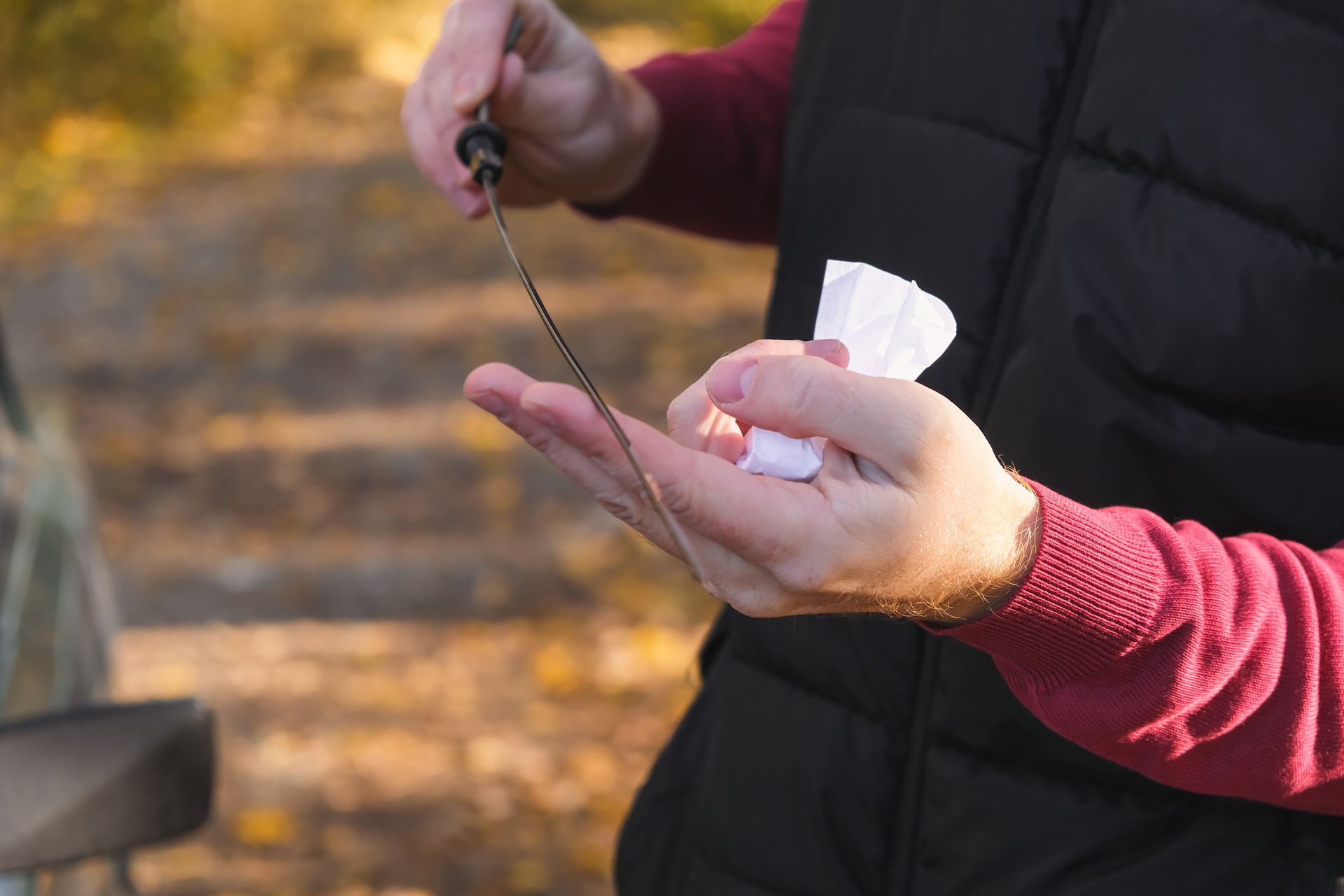
Follow the interval your vehicle manufacturer recommends, but many Florida drivers fall into severe-use driving because of heat, idling, and short trips. For most modern vehicles that use synthetic oil, change the oil every 5000 - 7500 miles or once a year.
Do I Really Need Regular Maintenance If My Car Seems Fine?
Yes. A lot of problems build quietly before you feel them from behind the wheel. Regular maintenance helps catch wear early, before it turns into bigger repairs.
Why Is My Check Engine Light On If The Car Still Feels Normal?
The computer can detect problems before they become obvious. A sensor issue, EVAP leak, or fuel control problem may trigger the light well before drivability changes.
Can I Keep Driving With A Check Engine Light On?
If the light is steady, the car can be driven for a short time, but it should be checked ASAP. If the light is flashing, stop driving it and have it inspected right away.
Why Is My A/C Cold While Driving But Warm At Idle?
That usually points to poor condenser airflow, a weak cooling fan, or an A/C system problem that shows up when the engine is sitting still. In the Florida heat, that should be checked quickly before the system falls further behind.
How Often Should I Rotate My Tires?
Tire rotation should be done every 5,000 to 7,500 miles or with every oil change. Rotating them on time helps the tread wear more evenly and usually extends tire life.
Can Low Tire Pressure Really Hurt Fuel Economy?
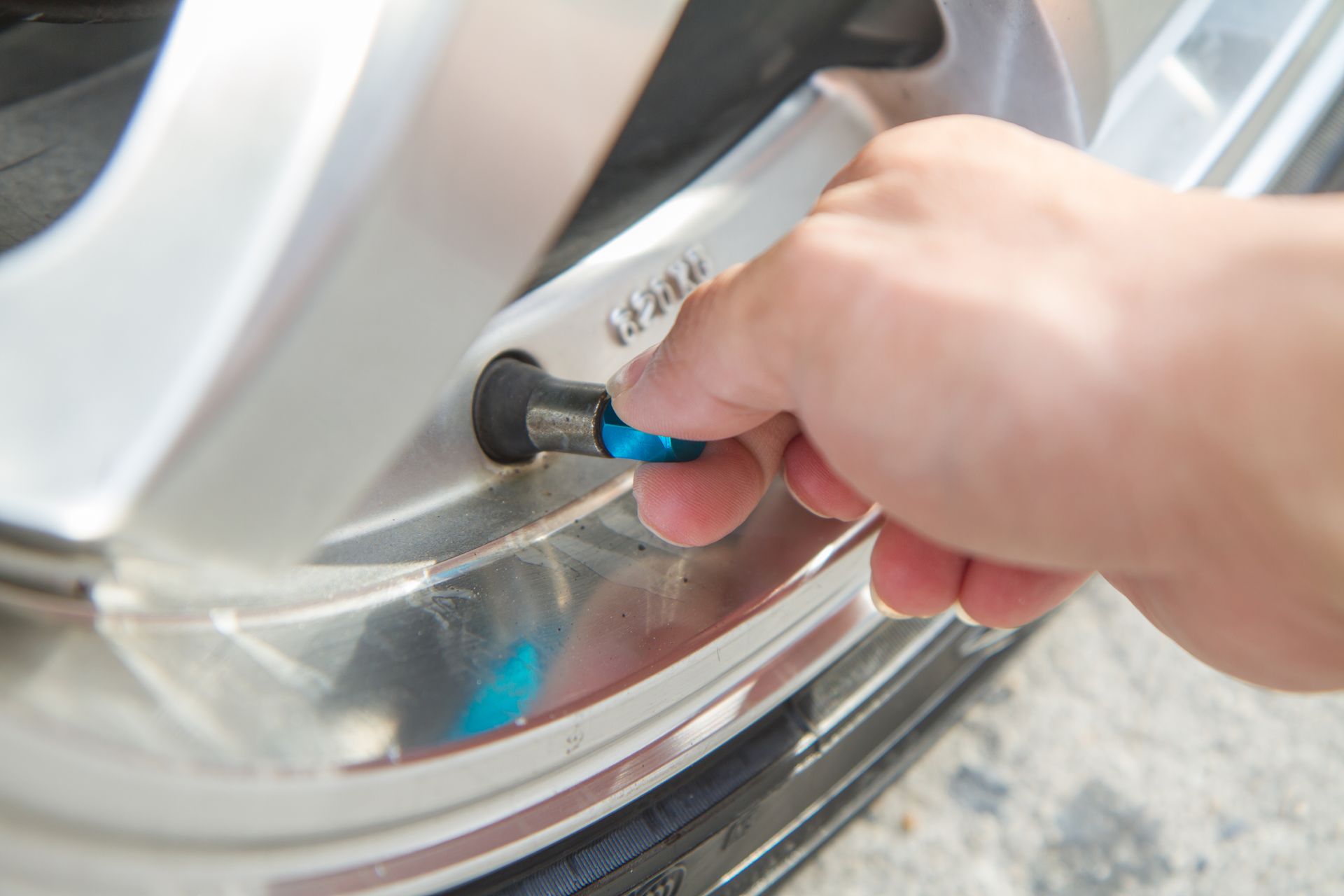
Yes. Low pressure increases rolling resistance, which makes the engine work harder and use more fuel. It will wear the tires faster, too.
Why Does My Car Pull Or Wander On Straight Roads?
That usually points to tire problems, alignment issues, or looseness in steering or suspension parts. A car in good shape should track straight without constant correction.
Why Does My Brake Pedal Feel Softer Than It Used To?
A soft pedal suggests air in the brake lines, old brake fluid, or a hydraulic issue. Brake feel should stay consistent, so any noticeable change deserves an inspection.
How Do I Know If My Brakes Are Wearing Out?
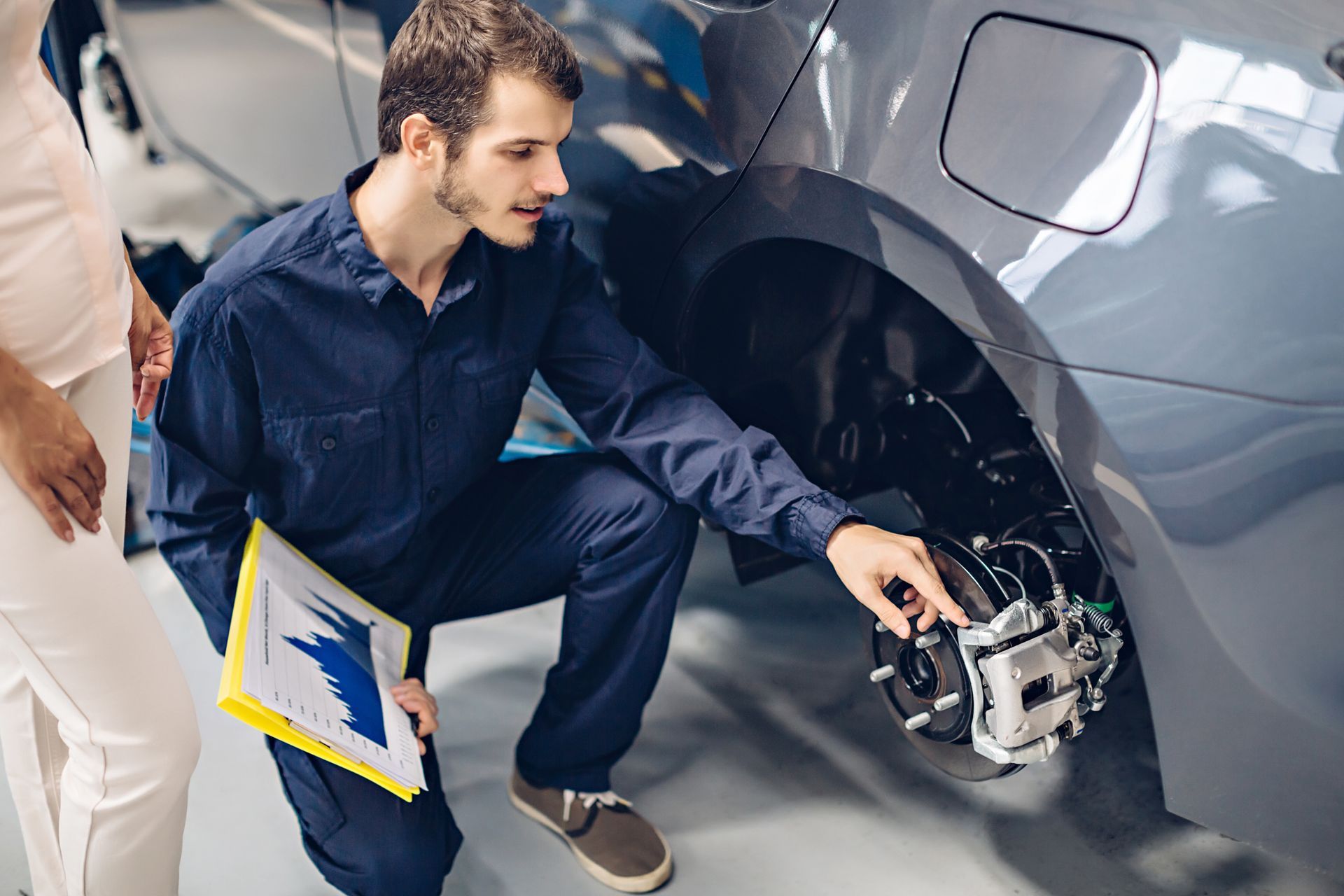
Common signs include squeaking, grinding, longer stopping distances, vibration, or a pedal that feels different than normal. Sometimes the warning is subtle at first, which is why brake checks are worth doing early.
Why Is My Battery Weak Even Though It Is Not Very Old?
Florida heat is hard on batteries. High temperatures speed up internal breakdown and shorten battery life faster than many drivers expect.
Can Low Coolant Really Damage My Engine?
Yes. Low coolant can lead to overheating, and overheating can damage gaskets, cylinder heads, and internal engine parts. Even a small coolant loss should be taken seriously.
Why Is My Temperature Gauge Climbing In Traffic?
Traffic reduces airflow and puts more demand on the cooling system. If the gauge rises there, the fans, coolant level, radiator flow, thermostat, or water pump may not be keeping up.
What Does A Burning Smell Usually Mean?
Burning smells often come from oil leaking onto hot parts, dragging brakes, or electrical components overheating. The smell itself is an early warning that something is getting too hot.
Why Is My Car Using More Gas Than Usual?
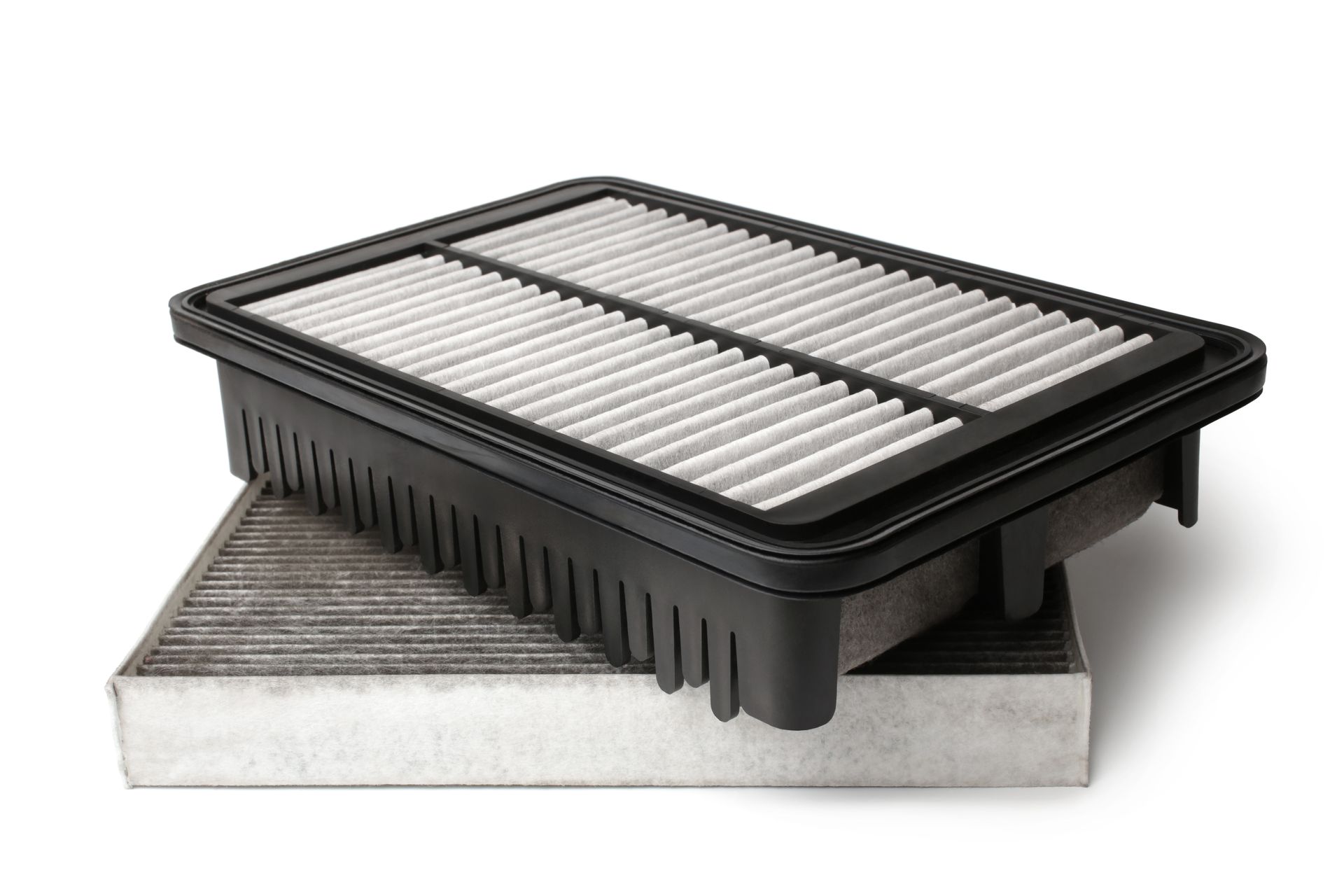
Poor fuel economy often traces back to low tire pressure, dirty sensors, worn spark plugs, brake drag, or airflow problems. It usually means the engine or chassis is working harder than it should.
What Does It Mean If My Car Shakes At Idle But Drives Fine?
That often points to ignition wear, airflow problems, fuel delivery issues, or weak engine mounts. Idle is where small imbalances show up most clearly.
How Often Should Brake Fluid, Coolant, And Transmission Fluid Be Changed?
That depends on the vehicle, but these fluids do not last forever. Heat and time break them down, so following the service schedule is the best way to protect the systems they support.
Why Do My Headlights Or Bulbs Keep Burning Out?
Repeated bulb failure usually points to excess voltage, moisture in the housing, poor socket contact, or vibration. If bulbs keep failing, the bulb itself is usually not the only problem.
Is It Normal For My Car To Make More Noise As It Gets Older?
No new noise should be assumed normal. Clicking, whining, clunking, humming, or grinding usually means a part is wearing or moving in a way it should not.
When Should I Get My Car Inspected?
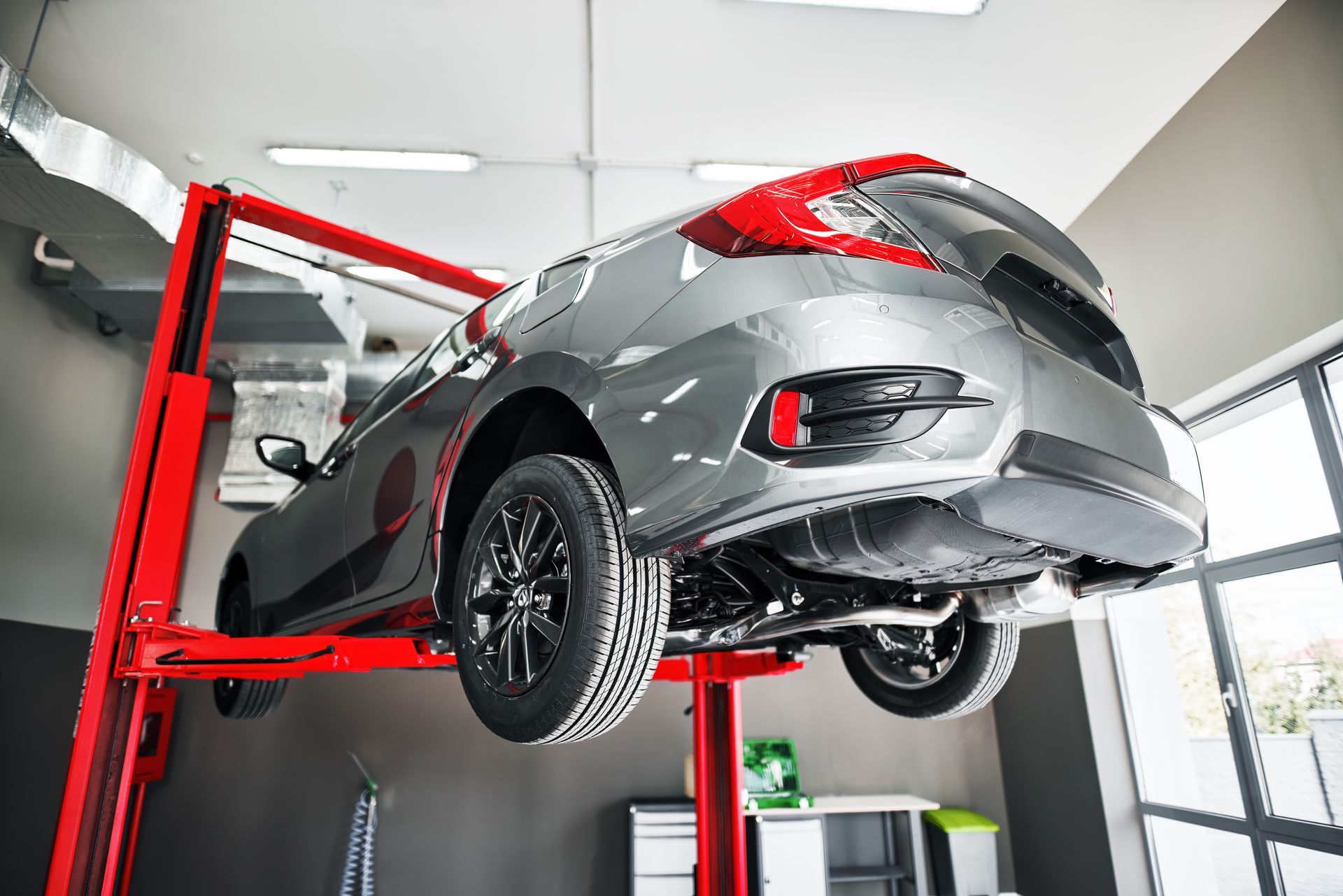
Bring it in when you notice a repeating warning light, fluid loss, an unusual smell, a change in steering or braking, a temperature rise, a rough idle, or a new noise that keeps coming back. Waiting usually reduces your options and raises the cost.
Get Car Maintenance And Repair In Winter Park, FL, With German Excellence
If you have questions about a warning light, weak A/C, unusual noise, battery trouble, or changing brake or steering feel,
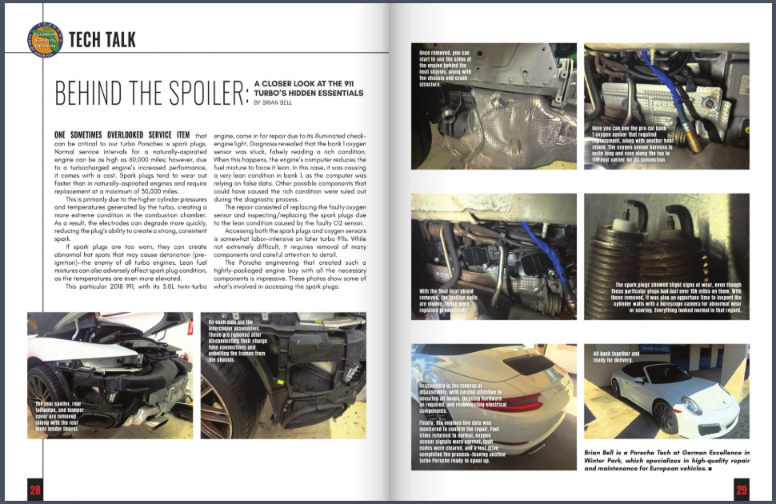
German Excellence in Winter Park, FL, can help you sort out what is minor, what needs attention soon, and what should not wait. Bring your car in and get clear answers before a small issue turns into a much bigger repair.