Audi ownership has a funny way of rewarding you when you stay ahead of maintenance, and punishing you when you try to treat it like every other car. It rarely fails in a loud, obvious way at first. More often, it starts with small changes you can explain away until you cannot.
Regular service is not about babying the car. It’s about preventing the kind of expensive chain reactions that can happen when a few simple items get pushed off the calendar. If you want your Audi to feel consistent year after year, the service plan matters more than most people expect.
Why Audi Maintenance Is Not The Same As Basic Car Care
Audi engineering tends to pack a lot into a tight space. Turbocharging, direct injection, advanced cooling layouts, and complex electronics all help performance and efficiency. They also mean there are more parts depending on good fluids, stable temperatures, and clean airflow.
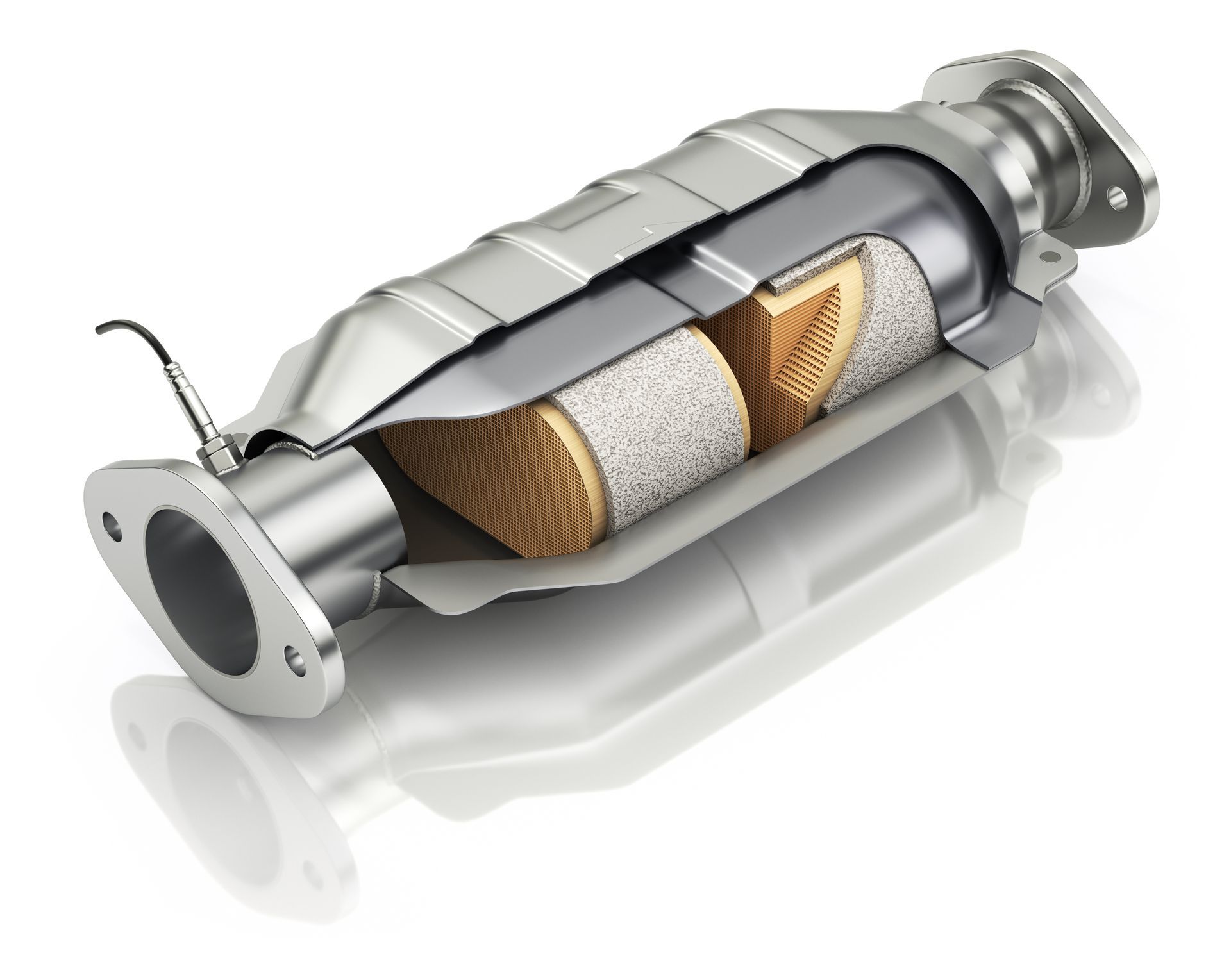
That is why delays can compound. A small coolant seep can turn into overheating stress. A tired ignition component can start misfires that strain the catalytic converter. A neglected fluid can shorten the life of a component that costs far more than the fluid service would have.
The Service Items That Protect Big-Ticket Systems
Regular Audi service usually pays off because it targets the systems that are expensive when they fail. You are not just checking boxes. You are keeping heat, friction, and contamination from building up in the wrong places.
Here are a few examples of what routine maintenance helps prevent:
- Oil Service Using The Correct Spec: Audi engines can be picky about oil specs. The right oil helps with turbo heat and timing component wear.
- Cooling System Checks And Coolant Service: Hoses, water pumps, thermostats, and reservoirs can age. Catching weak points early helps prevent overheating events.
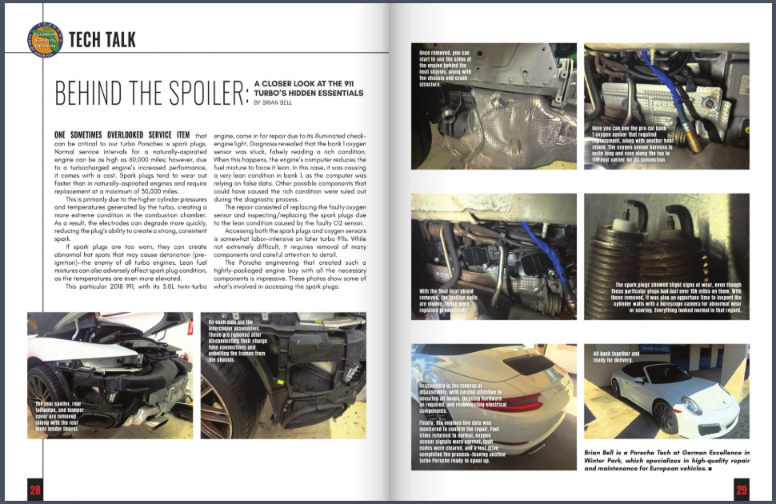
- Spark Plugs And Ignition Health: Weak spark can cause misfires that show up as a blinking check engine light on the dashboard. Early replacement is often cheaper than the damage misfires can cause.
- Brake Fluid Service: Brake fluid absorbs moisture over time. That can reduce braking feel and contribute to corrosion in expensive components.
- Transmission And Differential Fluids When Due: Some fluids are marketed as lifetime. Real life driving has a way of disagreeing with that idea.
We’ve seen drivers save real money by staying consistent with the basics, especially when the car is past the factory warranty window.
What Skipping Service Usually Looks Like Over Time
A lot of people imagine skipped maintenance causes instant failure. With Audi, it is often more of a slow timeline.
First, you might notice longer cranking on cold starts or a slight hesitation when leaving a stop. Then a warning pops up on the dashboard, and it clears after a restart. Weeks later, the same warning returns. After that, you start hearing noises you did not hear before, or you notice a smell after driving.
By the time the car is clearly unhappy, the fix is not always one part. You may be dealing with deposits, weakened seals, or a component that failed because another one was ignored. Regular service aims to keep you out of that multi-symptom phase.
Common Audi Wear Patterns That Show Up Early
Every model has its quirks, and mileage matters. Still, certain patterns tend to show up often across Audi lineups.
Cooling system components are a big one. Water pumps and thermostats can become trouble spots as miles add up. PCV systems can also cause oil consumption symptoms or leaks if crankcase pressure is not being managed properly.
Another common theme is carbon buildup on direct-injection engines. Not every Audi owner will run into it at the same mileage, but it’s worth watching for signs like rough idle, hesitation, or a drop in fuel economy. Regular inspections help you catch those changes before they snowball into drivability complaints.
How To Keep Audi Service Practical And Not Overkill
Some drivers avoid regular service because they worry it will turn into constant upsells. The smarter approach is to use a simple decision guide that keeps things grounded.
If you have a warning light on the dashboard, address it before it becomes a repeat visitor. If the car is due for routine service, do it on schedule and keep records. If you notice a new sound, a new vibration, or a change in how it accelerates or brakes, treat that as useful information and have it checked while it is still a small issue.
A practical plan also means prioritizing the items that protect the most expensive systems first. Fluid health, cooling stability, and ignition performance tend to lead the list.
Why Service Records Matter More Than People Realize
Regular service is not only about preventing breakdowns. It also protects resale value. When an Audi has documented maintenance, it signals to the next owner that the car was cared for properly. That can mean a faster sale and a stronger price, especially with buyers who know what deferred maintenance looks like.
Even if you plan to keep the car for a long time, service records help you make better decisions later. You can see patterns, track intervals, and avoid doing the same work twice because the history is unclear.
Get Audi Service in Winter Park, FL, with German Excellence
We can help you stay ahead of Audi maintenance with a clear plan tailored to your mileage, driving habits, and the service schedule your vehicle requires. We’ll inspect the areas that commonly create expensive problems when they are ignored, and we’ll focus on preventative care that makes sense.
Call
German Excellence in Winter Park, FL, to schedule Audi service and keep your car reliable for the long haul.